Nuclear Energy: Clean Energy for a Sustainable Future
Let's turn our heritage into the engine of a new era. Let's build a world where clean water vapor is the only waste in our streets, and where our homes are filled with a sense of security based on science, not myths.
How Does a Nuclear Power Plant Work?
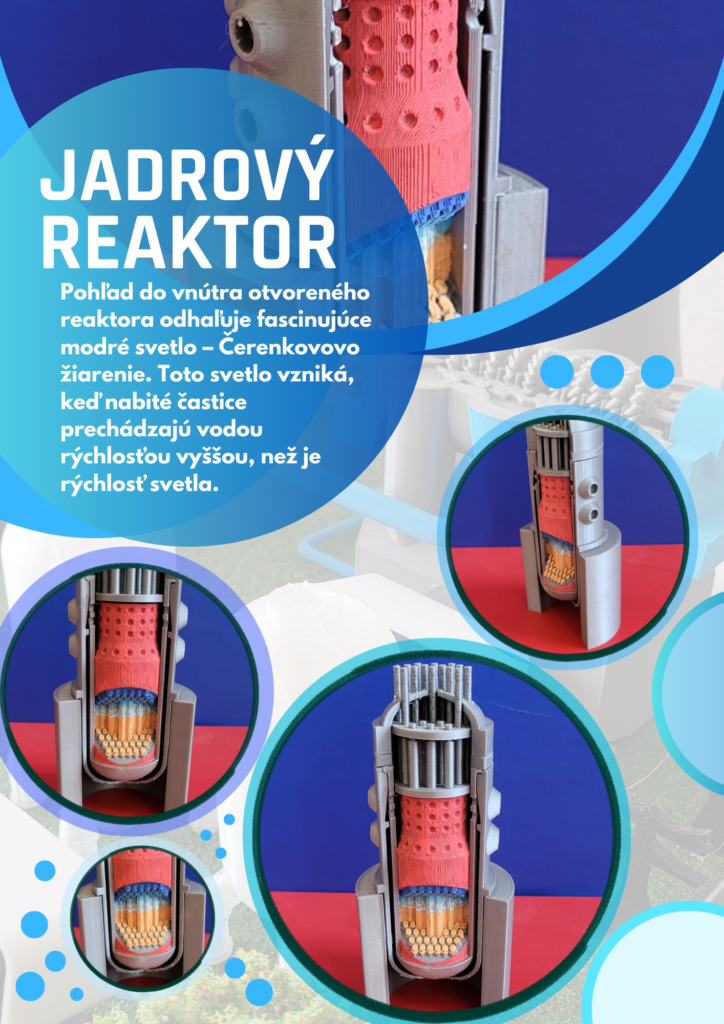
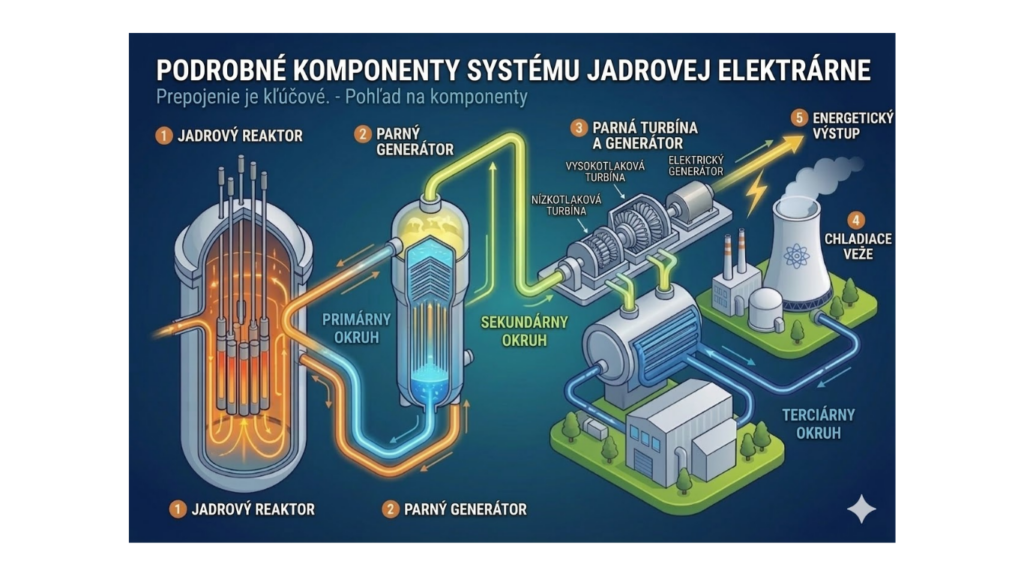
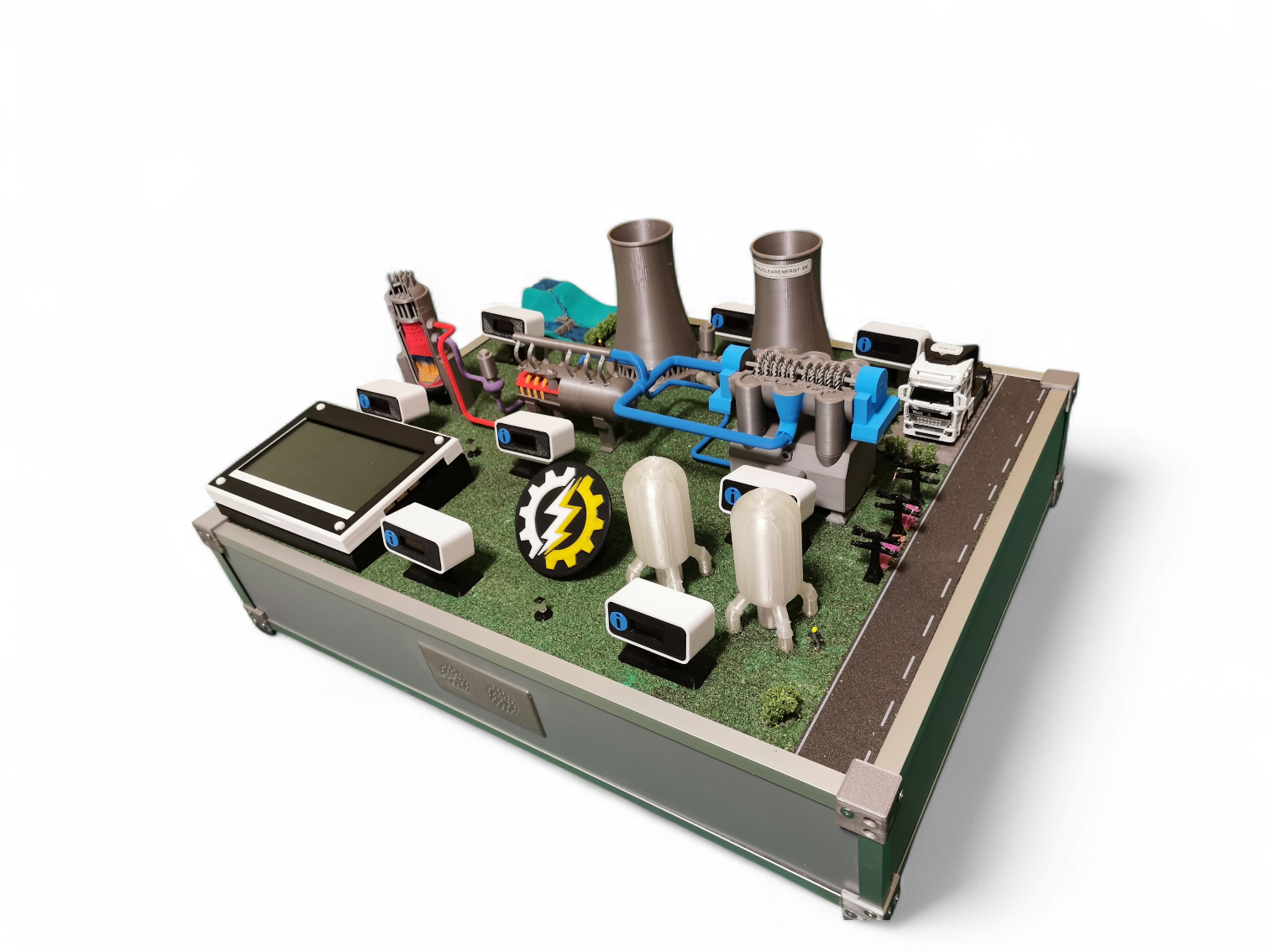
The heart of the entire complex is the reactor pressure vessel. It is a massive steel cylinder, approximately 12 meters high with walls up to 20 cm thick. Inside is the nuclear reactor, where several hundred fuel assemblies are arranged in a precisely defined geometry.
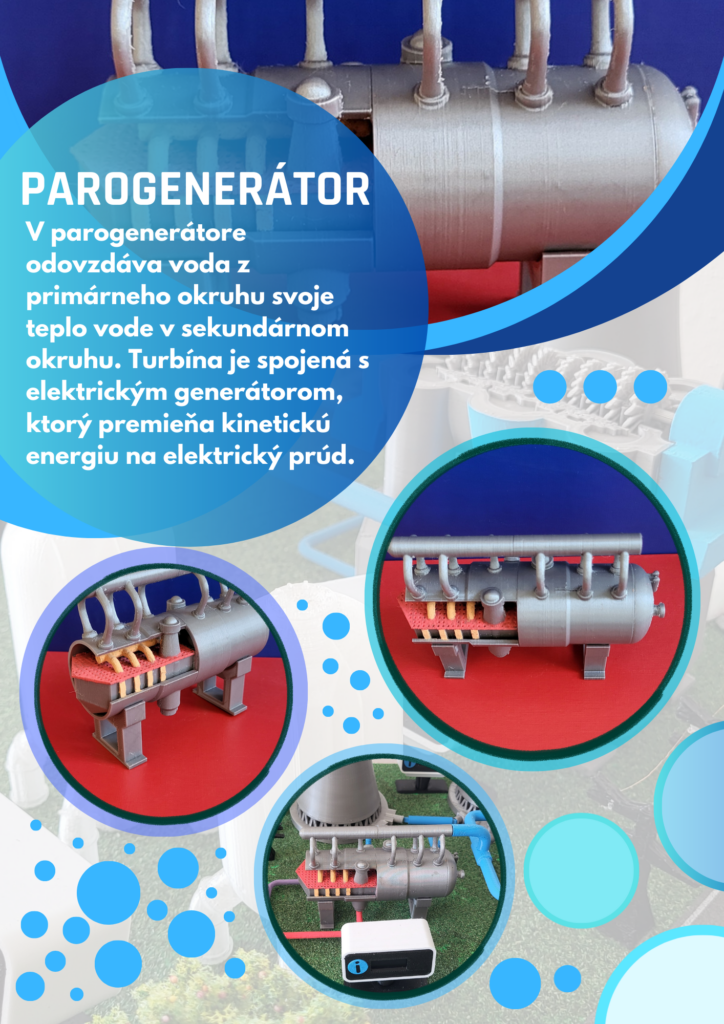
If we looked inside, we would see thousands of thin U-shaped tubes. Inside these tubes flows radioactive water from the primary circuit.
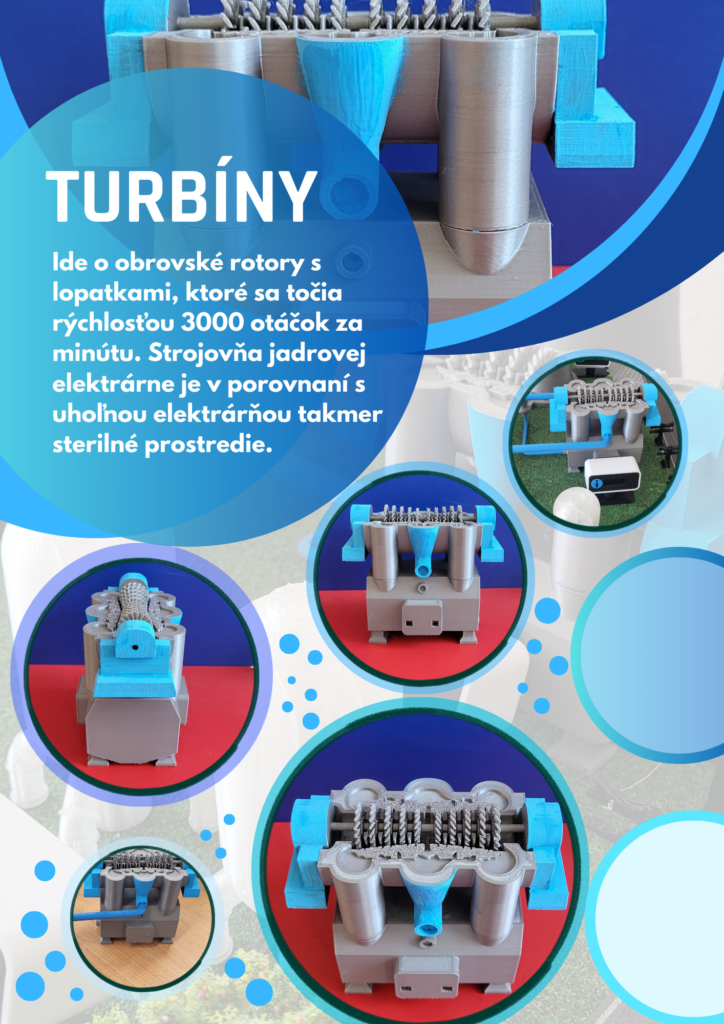
In the steam generator, heat is transferred from the water in the primary circuit to the water in the secondary circuit. Since the pressure is lower here, the water begins to boil and turns into steam. This clean steam (which never comes into contact with the radioactive fuel) then drives the turbine blades.
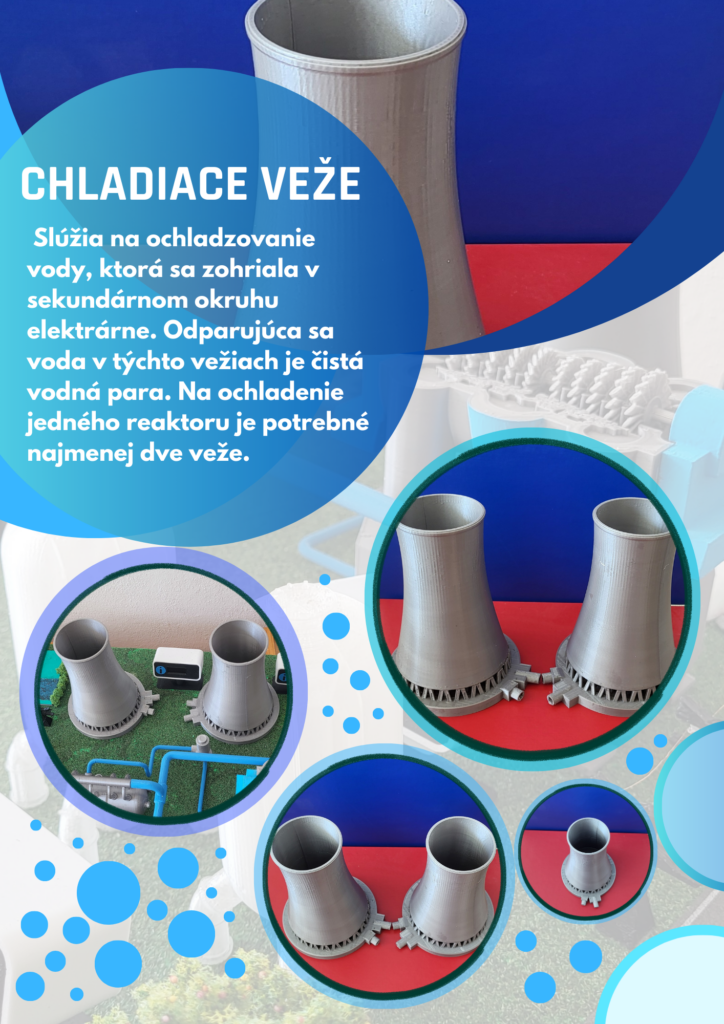
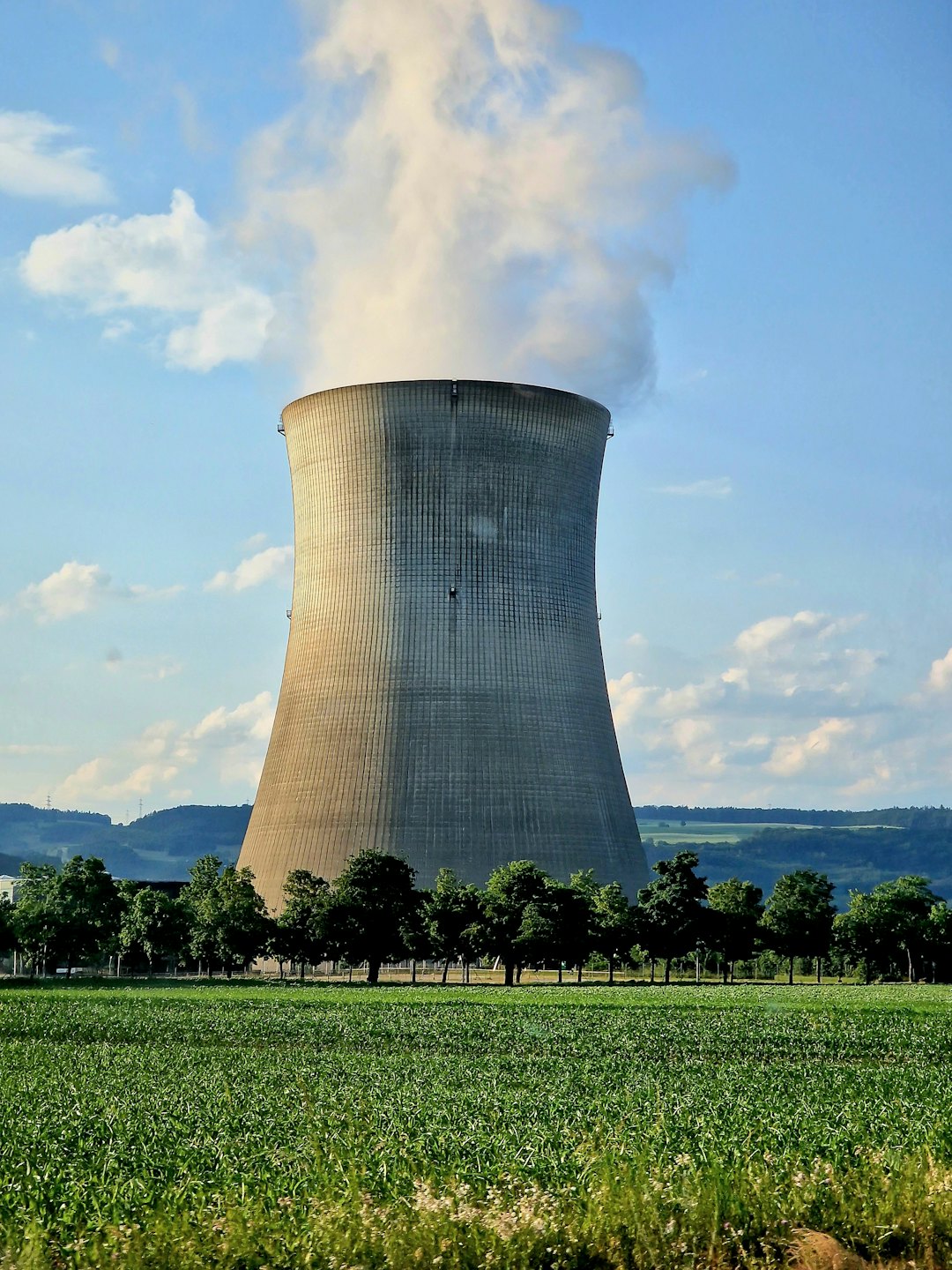
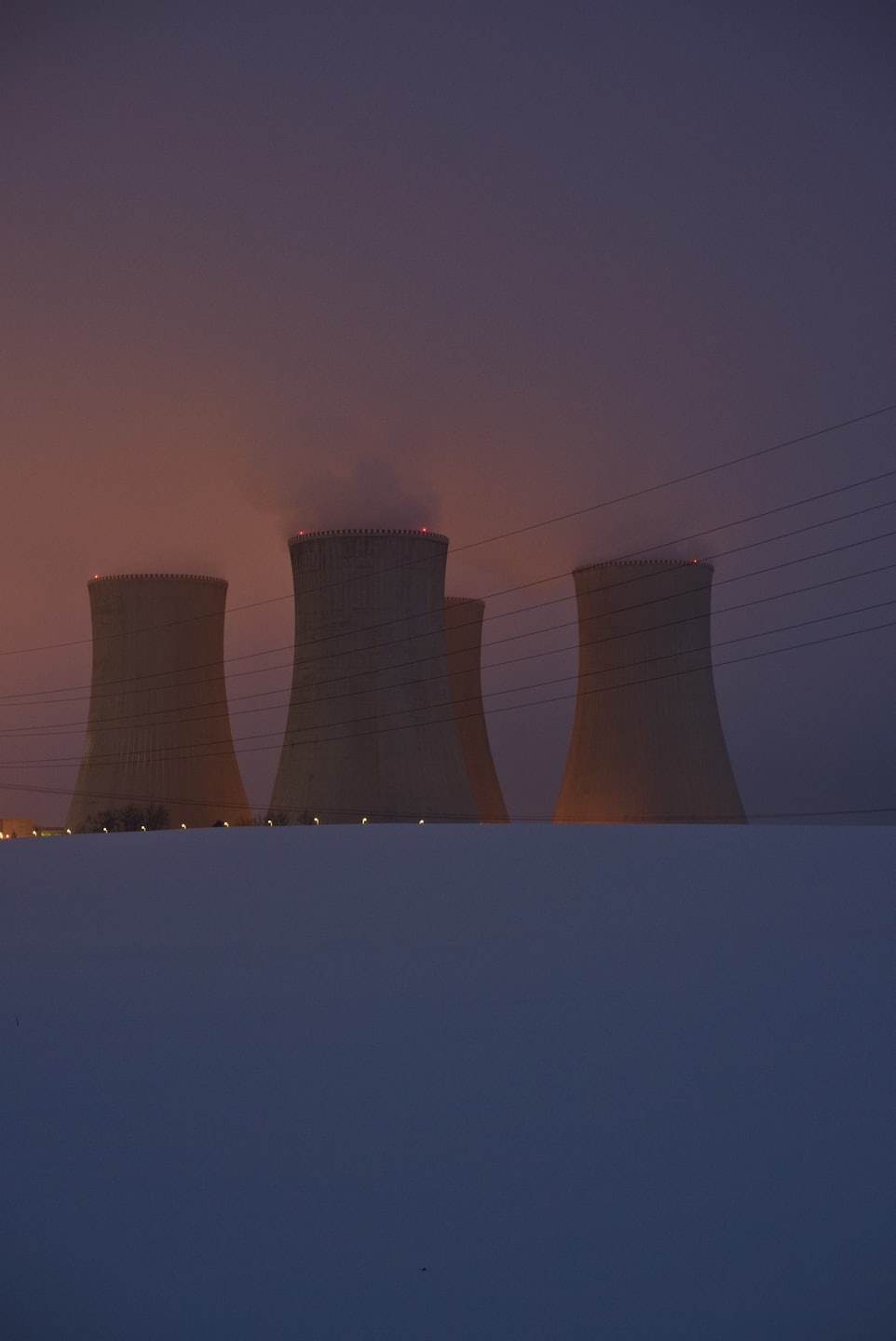
A nuclear power plant can seem intimidating because of the cooling towers, which are tens of meters high. They create a unique silhouette unlike any other power plant, visible from afar. This sight alone can sometimes feel dangerous or daunting to people. However, these coolants contain nothing but clean water vapor.
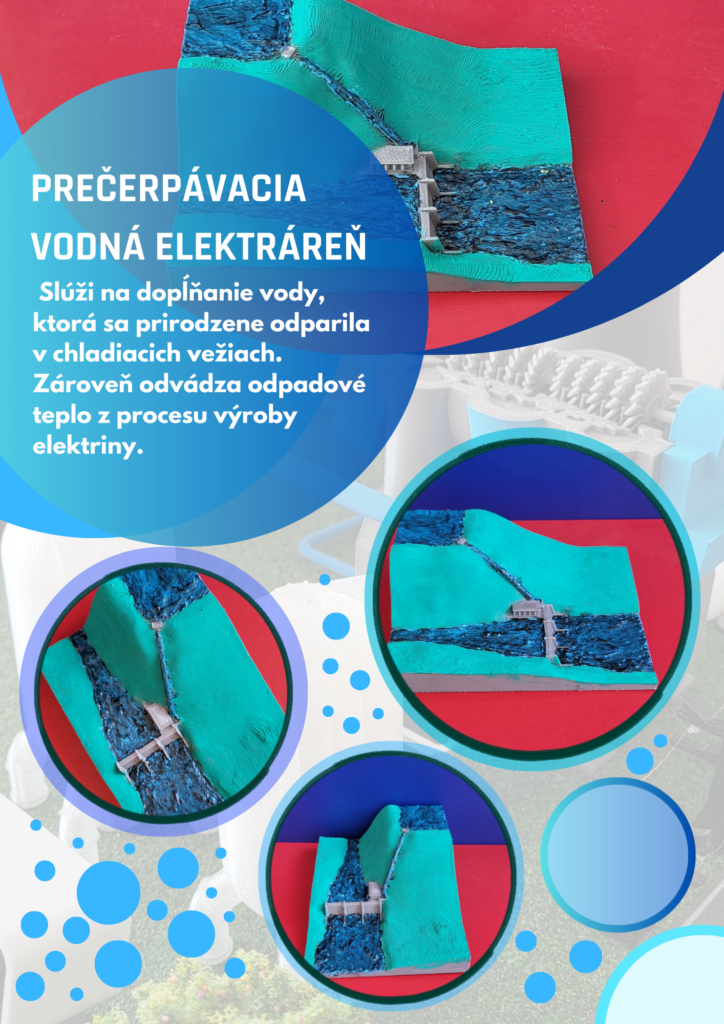
The pump is capable of transporting thousands of liters of water per second for a 440 MW unit. If the pump is disconnected, a backup unit turns on immediately. This ensures that the system stays cool and remains safe in the event of an unplanned reactor shutdown.
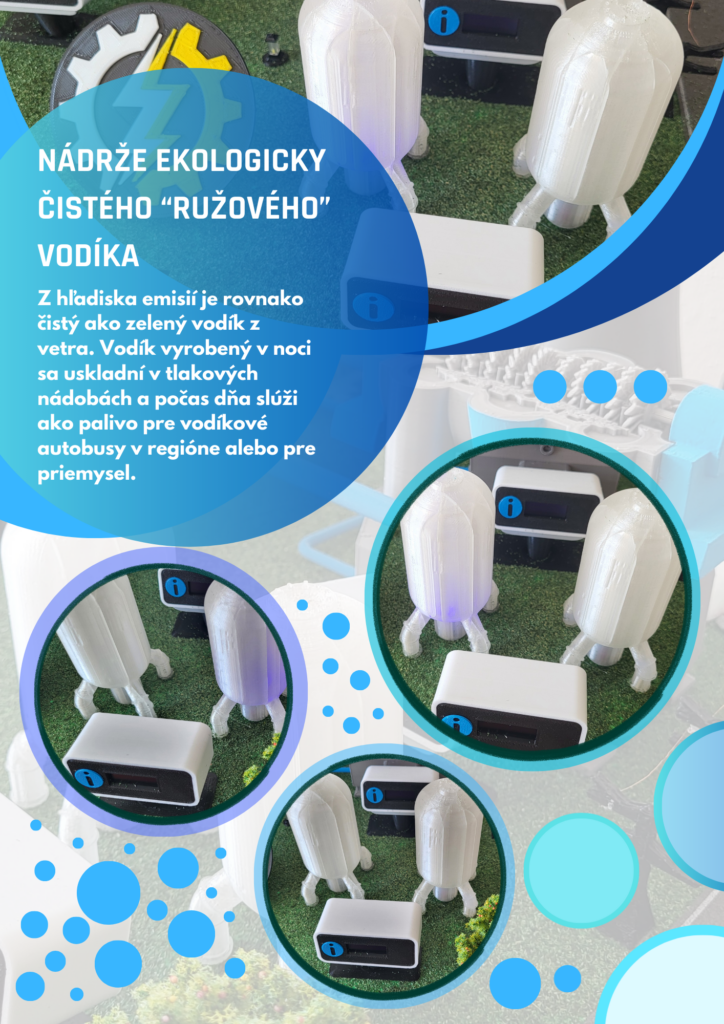
This process, known as High-Temperature Electrolysis (HTE) or steam electrolysis, is one of the most promising ways to connect nuclear energy with the hydrogen economy.
In high-temperature electrolysis at 700 – 800 °C, less electrical energy is needed to split water molecules because part of the work is done by the heat from the power plants. This increases the efficiency of hydrogen production by more than 20%.
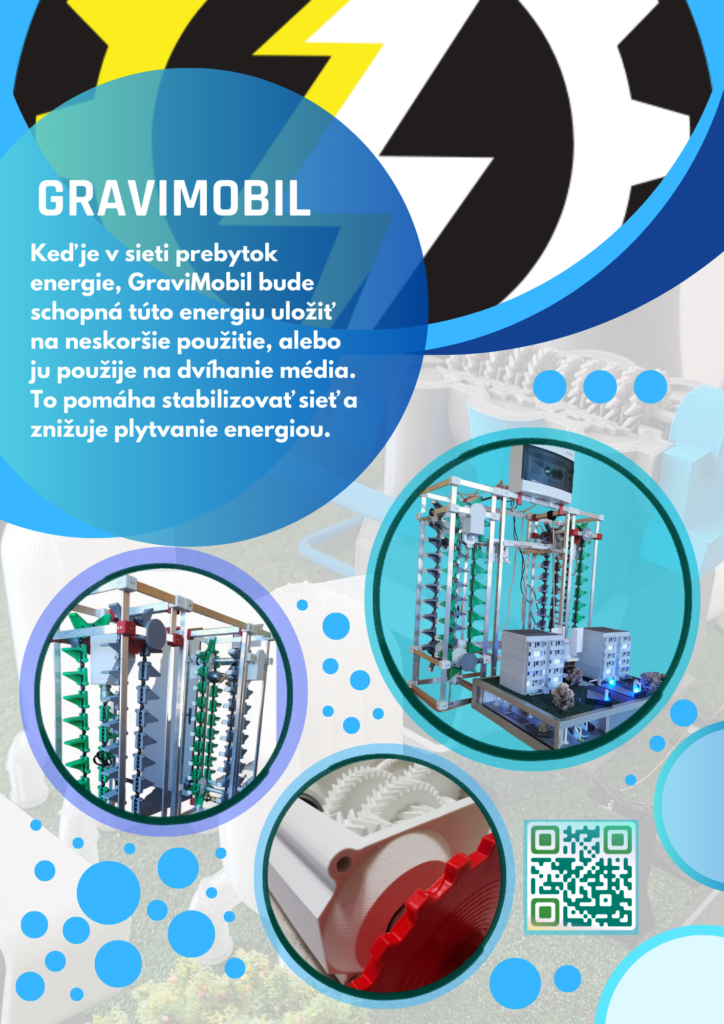
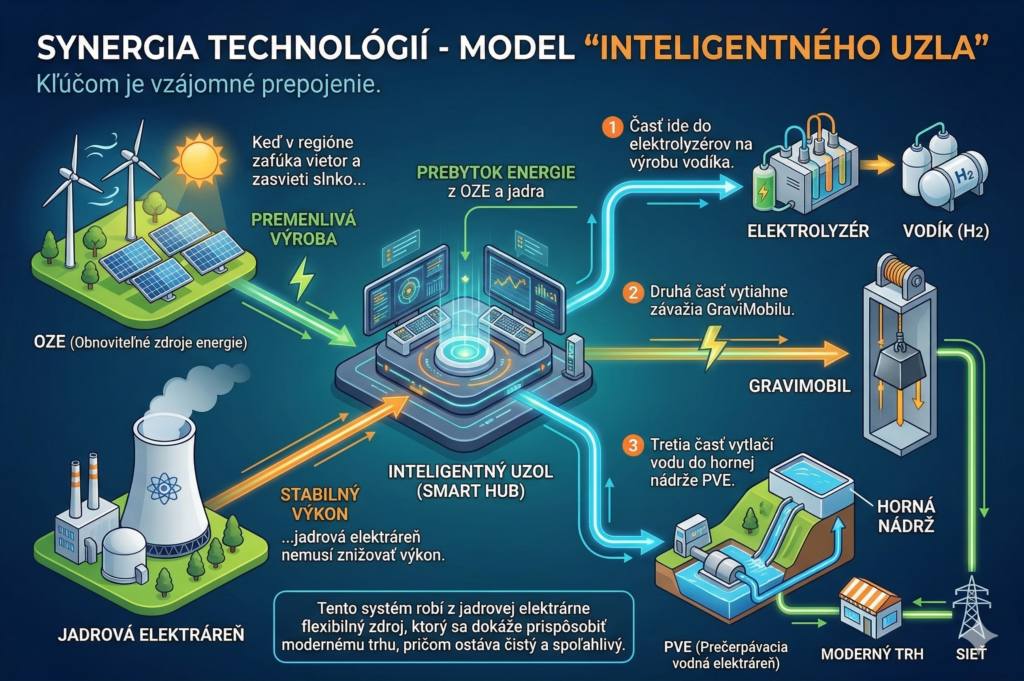
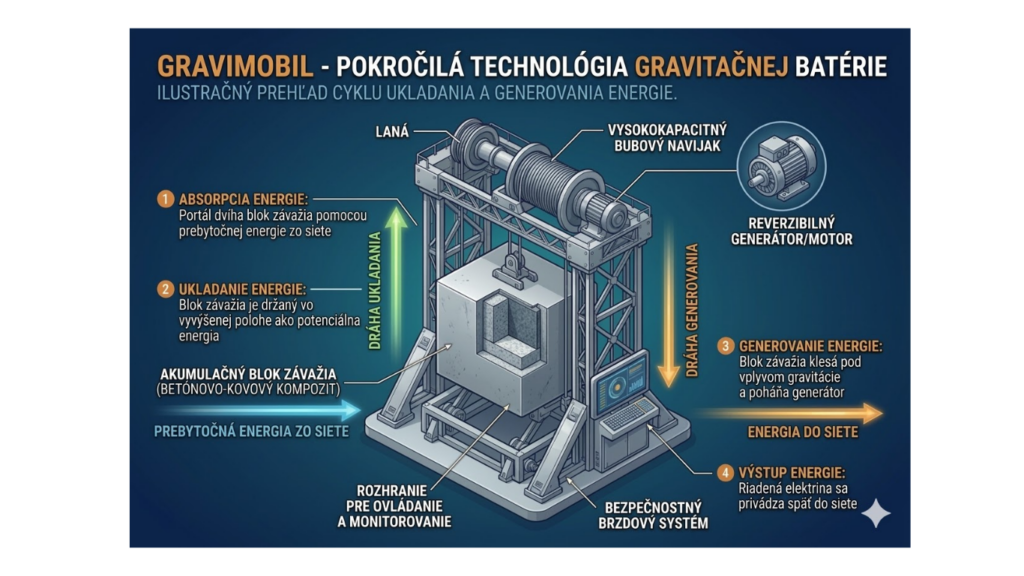
The system operates on the simple law of potential energy. During periods of surplus nuclear energy, an electric motor lifts massive weights – such as concrete or metal blocks – to a height. During peak consumption, the weights are released, gravity pulls them down, and the motor switches to generator mode to produce electricity.
Project Goals
Goal 1
ANALYSIS OF NUCLEAR POWER AND ITS USE IN A HYBRID SYSTEM
Goal 2
THE NUCLEAR POWER PLANT AS THE KEY TO A SAFE AND PROSPEROUS EUROPE
Goal 3
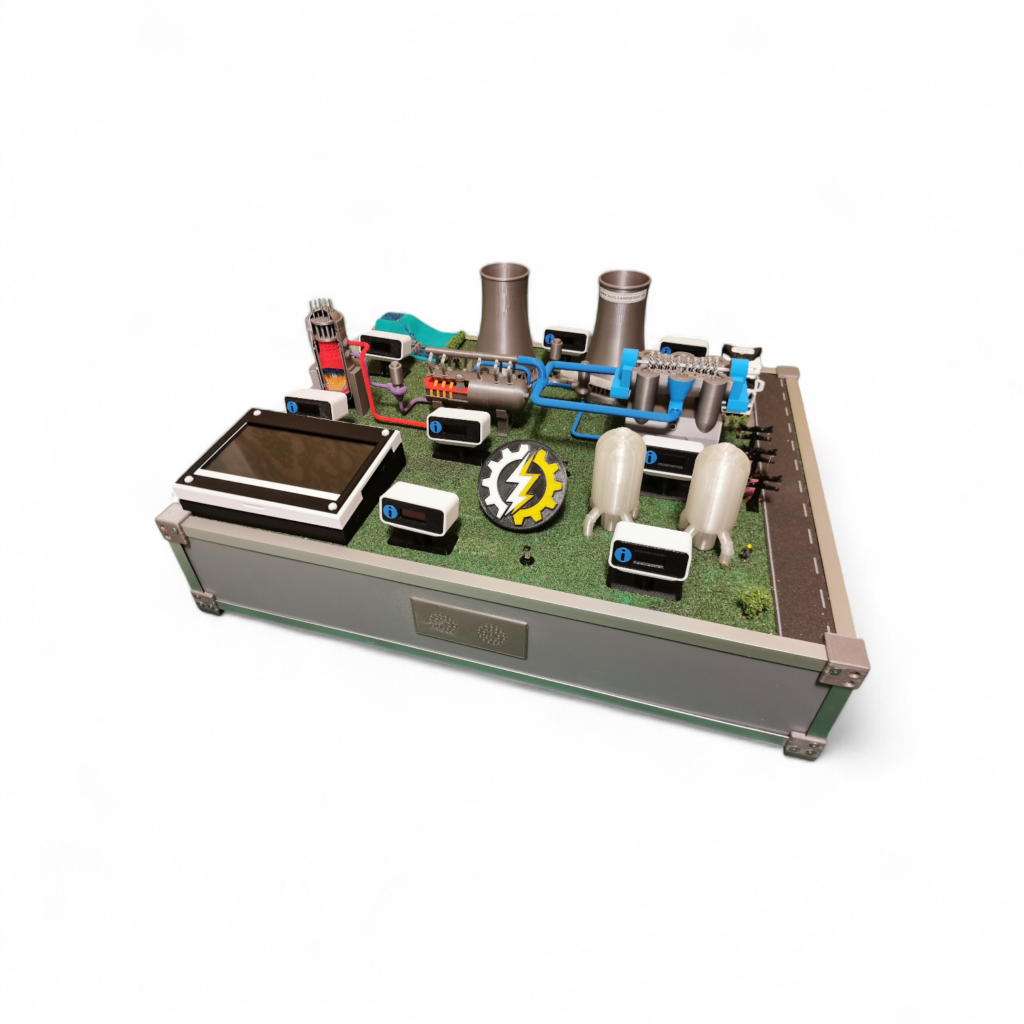
CREATION OF AN INTERACTIVE MODEL AND EDUCATIONAL PRESENTATION, WEBSITE, AND DIDACTIC QUIZ
Discover the exceptional benefits of clean energy from nuclear power plants.
This section presents the key benefits and reliability of nuclear energy as an ecological source.
The Efficiency of Nuclear Energy
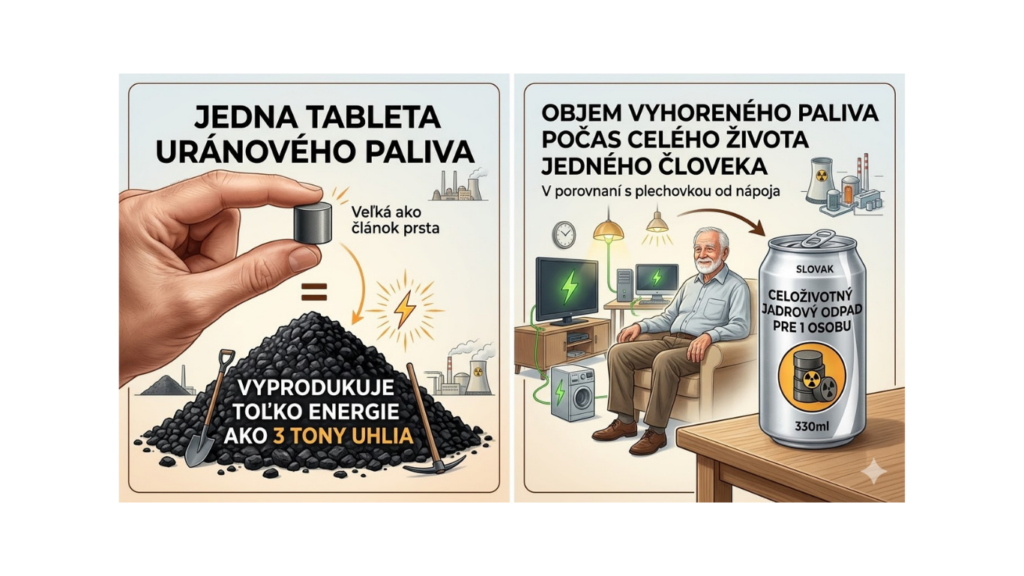
A single uranium fuel pellet (the size of a fingertip) produces as much energy as 3 tons of coal.
In comparison, if a person were to get all their electricity throughout their entire life solely from nuclear power, the total volume of their spent fuel would fit into a single soda can.
High Reliability and Stability of Energy Supply
Nuclear sources ensure stable and continuous energy production, which reduces the risk of outages and supports energy security.
The sun doesn't shine all the time and the wind doesn't blow on command, but nuclear power works constantly. Whether there is a blizzard or extreme heat outside, the reactor operates stably and predictably.
Current Problems and Our Solutions
In today's energy sector, we face a fundamental challenge: how to reconcile the stable production from nuclear power plants with the variable consumption of society and the unstable production from renewable sources.
GraviMobil represents an innovative method of mechanical energy storage. The system operates on the simple law of potential energy.
Benefits of Investing in Nuclear Energy
Explore the reliability and ecological cleanliness of nuclear power plants, which offer a stable and sustainable energy source.

Ecological Sustainability
Nuclear energy does not produce CO2 emissions, thereby helping to reduce global warming.

High Efficiency
Nuclear reactors provide a large amount of energy with minimal fuel consumption.

Safety and Reliability
Modern nuclear power plants are designed to ensure maximum protection and operational stability.
Technical Safety of a Nuclear Power Plant
It is built on a system of multiple independent barriers and backup mechanisms that together prevent any leakage of substances into the environment.
Defense-in-Depth Concept
The fundamental basis of safety is that radioactive substances must never reach the environment. The defense-in-depth system acts as a series of barriers that a potential failure must overcome.
Employee Care
Working in a nuclear power plant involves above-standard healthcare that you won't find in a regular company. By law, employees are entitled to regular stays at spas or mountain resorts to recuperate.
Cybersecurity and Digitalization
Modern management and control systems are physically separated from the external internet. The use of artificial intelligence in diagnostics allows for the prediction of material wear and tear before a failure occurs.

Core Catcher
For extremely unlikely scenarios. If the fuel were to melt through the reactor vessel, the catcher captures it, dilutes it, and safely cools it, thereby preventing its contact with the foundation and groundwater.
Energy That Saves the World
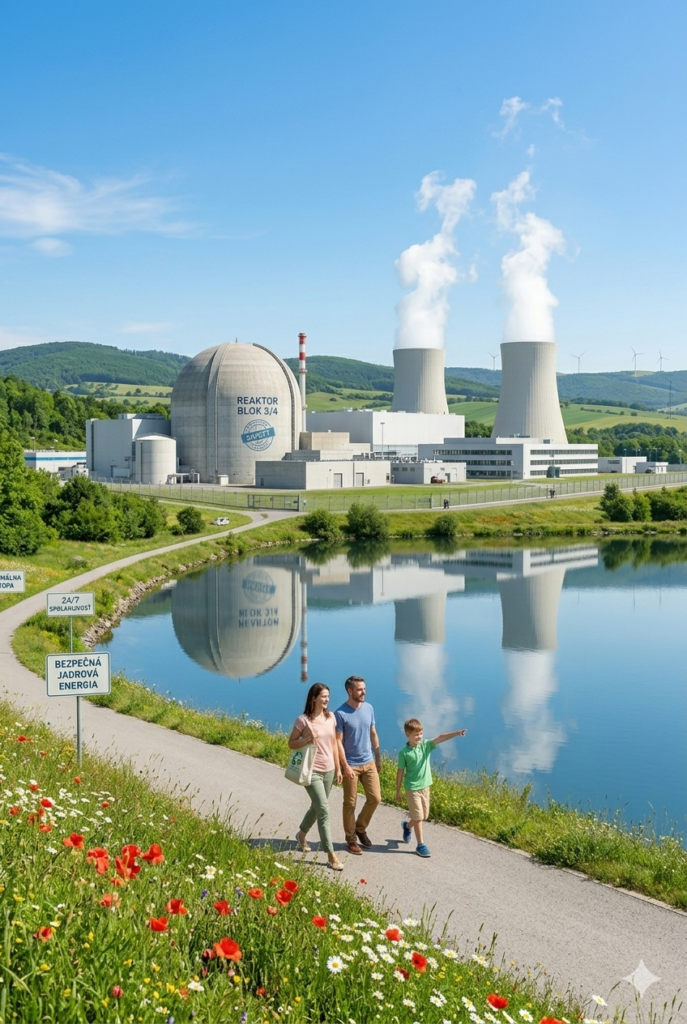
Nuclear energy is the most powerful tool for halting emissions, producing clean electricity without destroying our atmosphere.
Extreme Energy Density
One small uranium pellet can produce as much energy as 480 cubic meters of natural gas, 800 kg of coal, or 560 liters of oil.
Clean Air Champion
Nuclear energy prevents the release of more than 470 million tons of carbon dioxide worldwide, which is the equivalent of removing almost 100 million cars from the roads.
Recyclable Fuel
More than of the energy potential remains in spent nuclear fuel, 90 % remains in spent nuclear fuel, and modern reactors will be able to reuse it in the future to generate additional electricity.
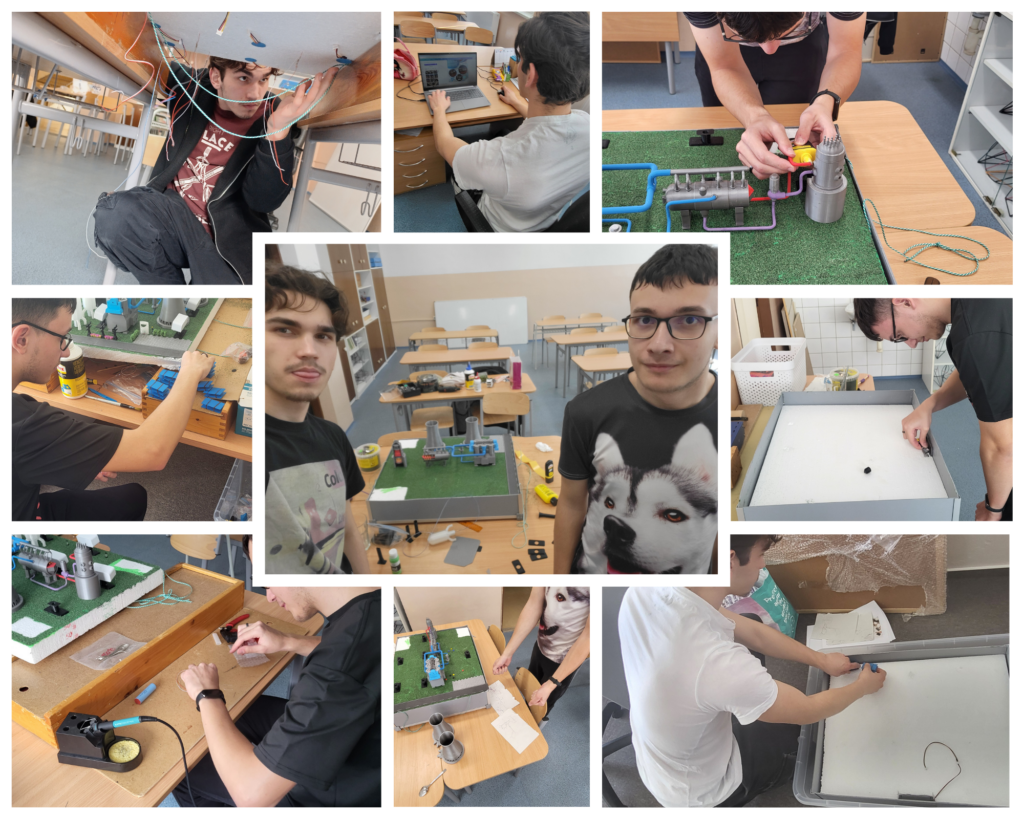
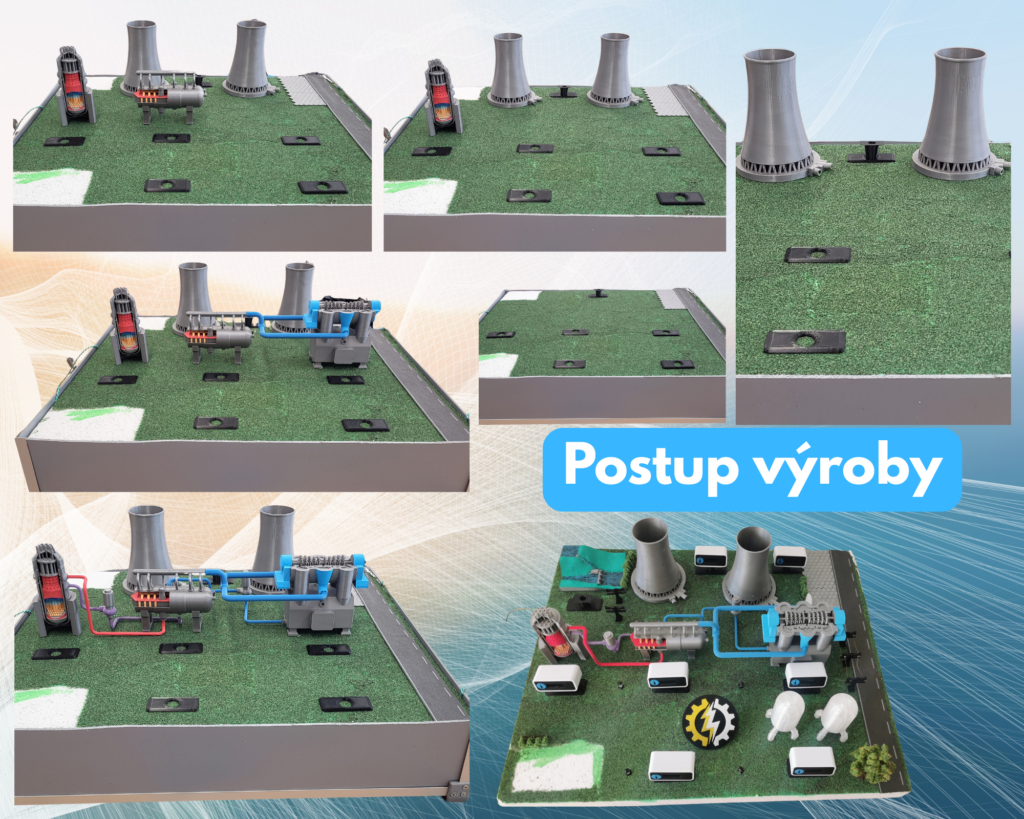
Project Work and Construction
Conclusion
The presented professional paper entitled "Nuclear Power Plant – A Threat to My Future or a Clean and Reliable Energy Source" aimed to critically analyze one of the most discussed energy sources today.
At a time when the global community is facing unprecedented challenges associated with climate change, the energy crisis, and growing demands for grid stability due to the development of artificial intelligence, the question of safe energy becomes a matter of survival for our industrial civilization.